Talent leader. Former band director. The connective tissue between those two things is what I build: systems where clarity, feedback, and trust produce lasting performance. 11+ years in talent, 6 years on the podium before that, and a steady belief that rigor and humanity are the same thing, expressed through different moments.
I learned performance management on a podium.
Before I ever worked in HR, I was a band director. For years I led programs that competed at the national level: organizations with high standards, real accountability, and students who showed up every day expecting to get better.
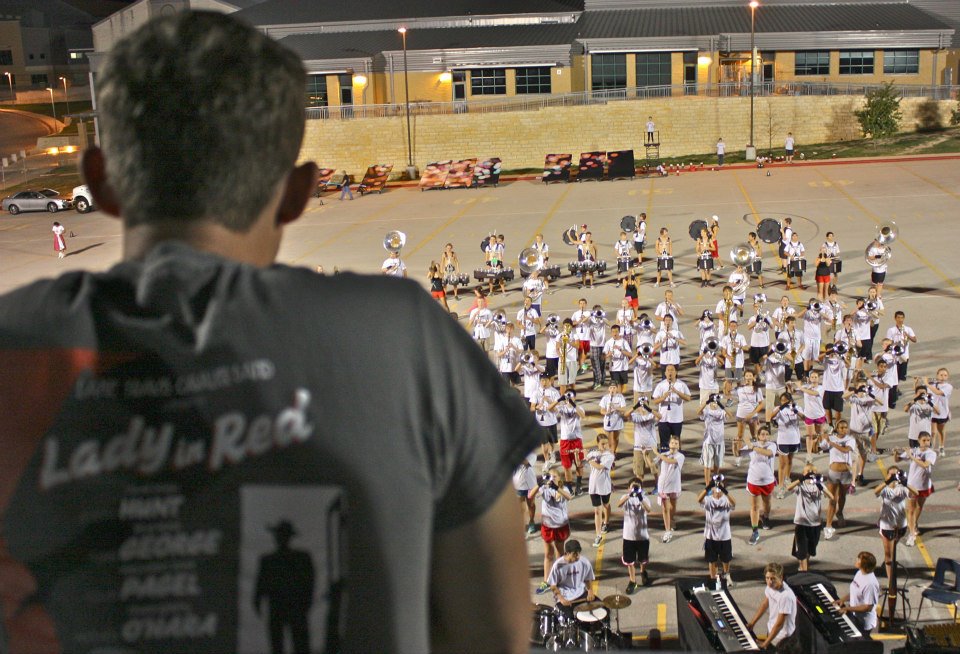
Late-night rehearsal, putting clarity, repetition, and trust into practice. Creating performance as a habit.
That experience taught me things about performance I've never found in a framework or a textbook. Talent gets you in the room. Excellence takes clarity about what good looks like, consistent feedback delivered with care, and a culture where people trust the standards because they've seen them applied fairly.
You also learn that sustainable performance is built through endurance. Programs that burned bright for one season and collapsed the next usually traced back to the same problem: leaders who prioritized the result over the people producing it.
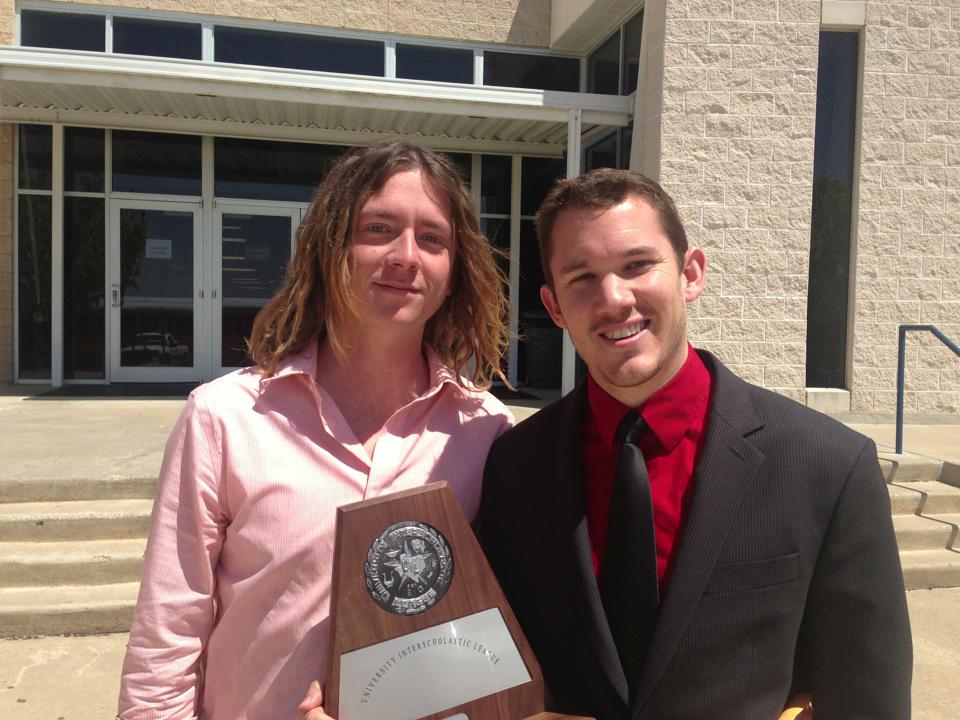
A trophy is a trailing indicator. The real result was the students who knew the standard, and trusted enough to put in the work.
Pressure produces one good season. People who understand what they're working toward, and believe the organization is working alongside them, produce sustained excellence.
From the podium to the org chart.
Moving into talent management was a natural extension of that work. The same questions that shaped my time as a director followed me in: What does good look like in this role? Are expectations clear enough that people can meet them? Are we supporting people to succeed, or just measuring whether they do?
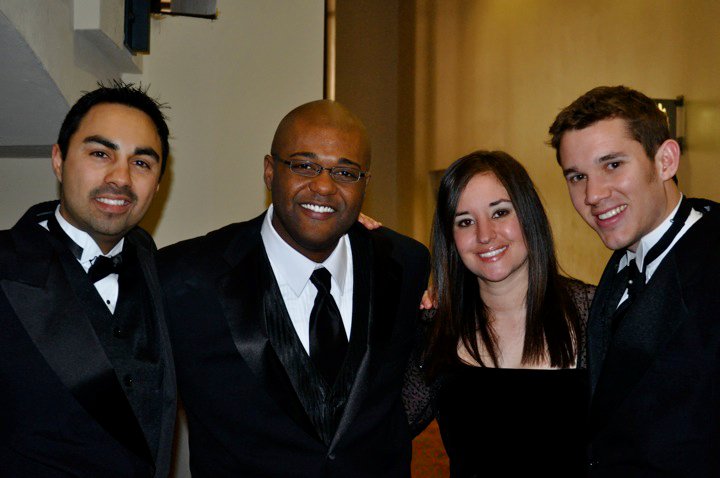
The Artie Henry Middle School Band Staff at the TMEA Middle School CCC Honor Band Performance in front of all of my peers. This team showed me how the seemingly impossible can come to life, and it's never left me.
I started building recruiting functions, then performance systems, then competency frameworks. Each one grew from the same instinct: that organizations perform better when the talent infrastructure underneath them is built deliberately.
I got to test that instinct at scale: building an internal recruiting function from scratch, designing performance management programs, developing competency frameworks, and launching appraisal processes. The Employee Success Plan I developed as an alternative to PIPs produced a 90% retention rate among employees placed on them. That number still matters to me. It represents people who stayed and grew.
Relationships first. Systems second. In that order.
The most technically sound talent system only works when the people running it trust it. I've seen it: a performance framework built without manager input, a compensation structure no one can explain, a workforce plan sitting in a spreadsheet untouched.
My work starts with relationships, and I mean that practically. Understanding what hiring managers, department heads, and employees need from it is what determines whether a system gets used.
I'll always tell you what I see, and I'll name every tradeoff before a decision gets made. I ask as many questions as I answer. Whether I'm leading the work or supporting it, I'd rather get to the right outcome together than be right on my own.
You can be disciplined and human at the same time.
There's a version of talent management that treats rigor and humanity as opposing forces: as if holding people accountable requires being cold about it, or caring about people means going easy on standards. My experience has been the opposite.
When expectations are clear, feedback is honest, and follow-through is consistent, people understand why the standard exists. And when they understand it, they invest in it.
That's what I build toward: organizations where performance is well enough understood that conversations about it feel fair. Where people know what success looks like and believe the organization is genuinely working to help them get there.
Humility
I ask more than I answer. The people doing the work usually have the clearest view of what needs to change.
Reliability
If I commit to something, it gets done. I aim to deliver more than I promised, every time.
Trustworthiness
Trust is the foundation of every relationship that works. I try to build environments where people feel safe enough to be honest, and where that honesty moves things forward.
Good company
The best work happens when people genuinely trust each other. I bring that same investment in relationships to everything I do, at work and outside of it.
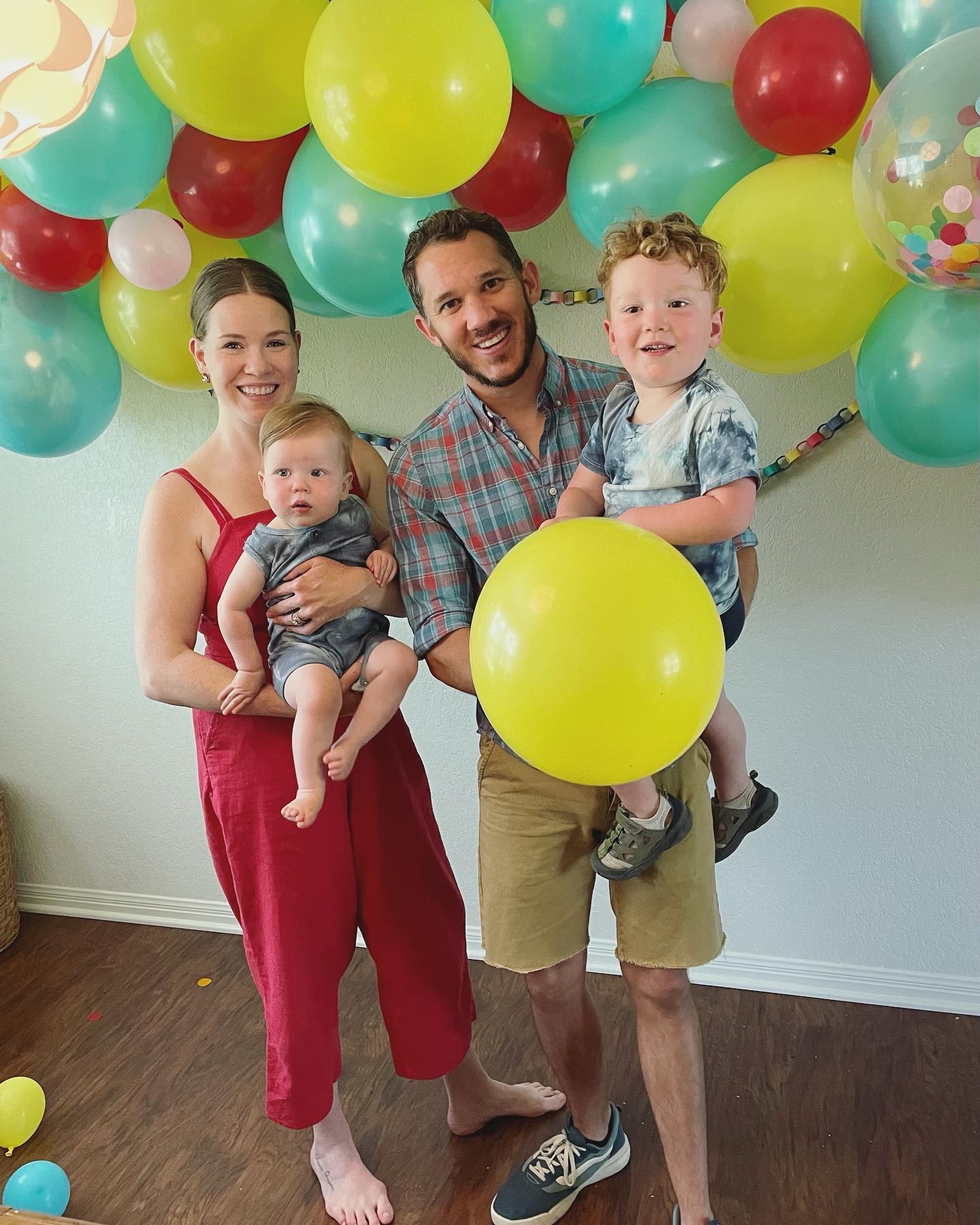
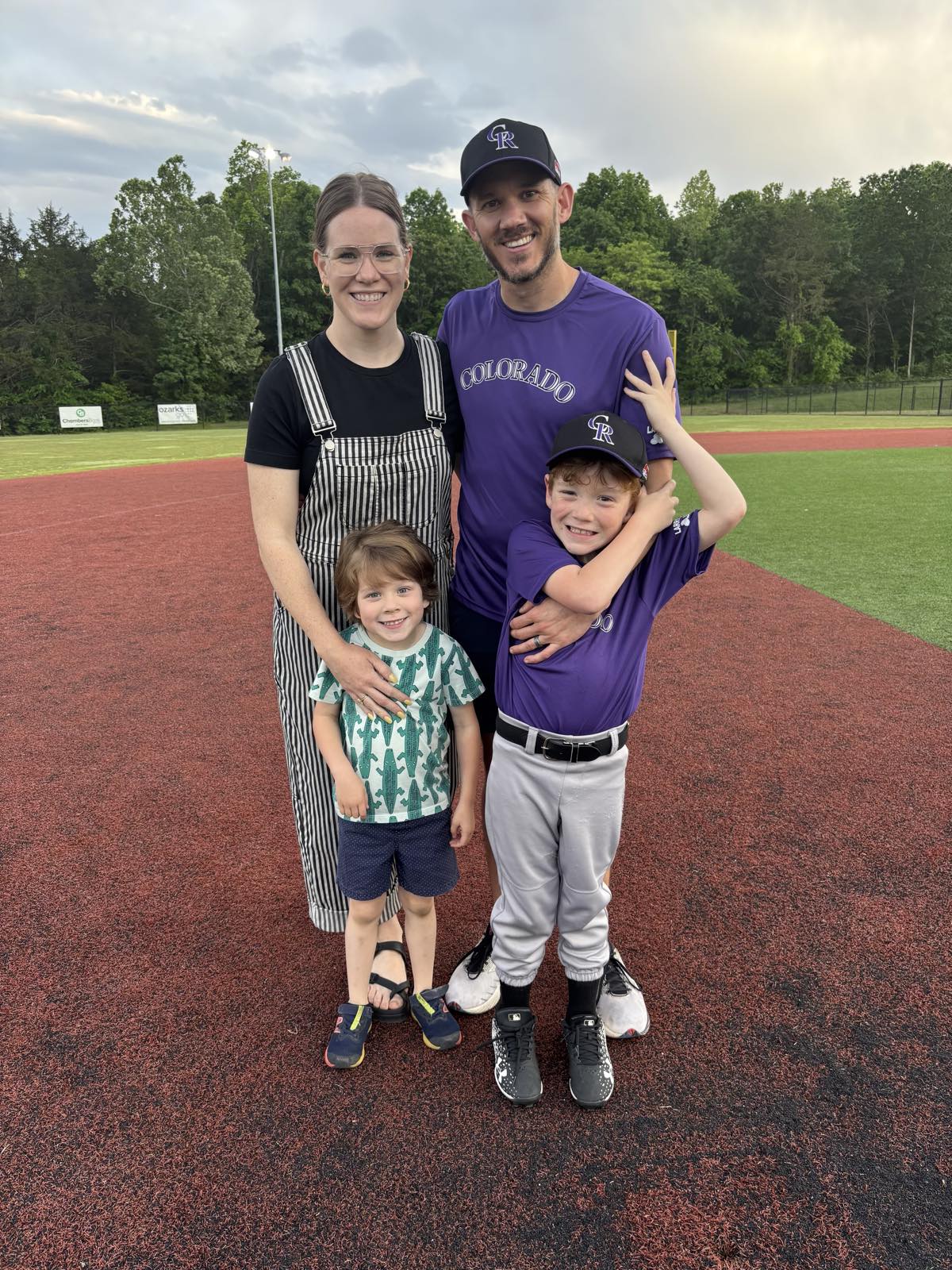
Why the work has to be sustainable. The three most valuable elements of my life.
The formal record.
Eleven-plus years leading talent management and organizational effectiveness work across professional services and education, with director-level experience across performance management, workforce planning, internal mobility, manager enablement, and compensation. SHRM-SCP certified. Based in Northwest Arkansas.